
How to Encourage Children to Read
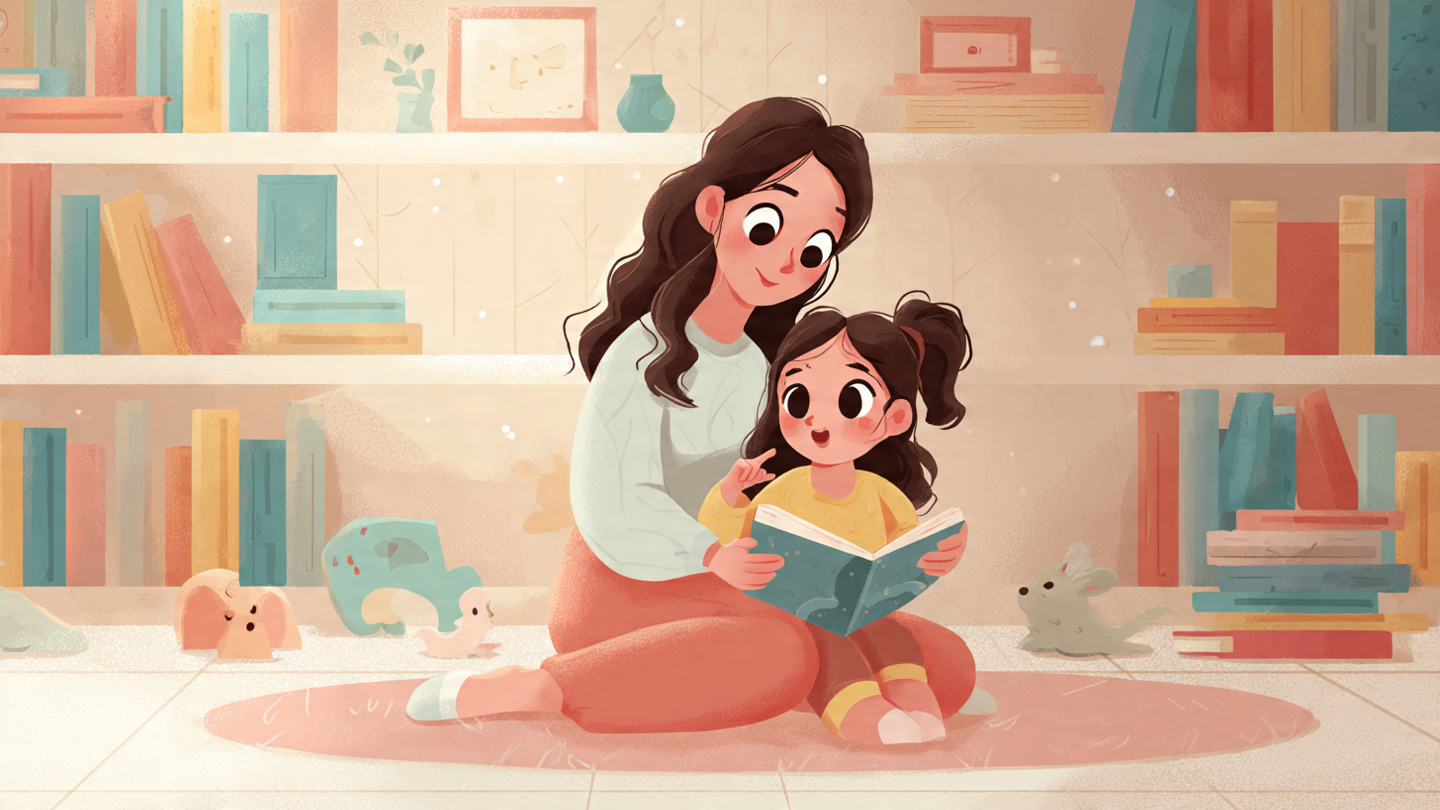
Helping children develop a reading habit is one of the most important investments a parent can make. Despite the magnetic pull of screens and digital entertainment, reading remains irreplaceable for a child's language development, empathy, creativity, and academic success. In this article, we explore practical, proven strategies to make reading a natural and joyful part of your child's life.
1. Start early
The earlier you introduce books, the deeper the impression they leave. Reading aloud to infants — even before they can understand words — supports language acquisition, auditory attention, and emotional bonding. A 15–20 minute bedtime story session becomes a simple yet powerful ritual. Picture books, tactile books, and books with vivid illustrations captivate young readers and build positive associations with books from day one.
Child development experts refer to ages 0–3 as the 'language acquisition window.' Every sentence read to a child during this period enriches their vocabulary and broadens their understanding of the world.
2. Be a role model
Children mirror their parents. If reading is a visible, everyday activity in your home — a book on the nightstand, a novel on the commute, a magazine at breakfast — children accept it as a natural part of life. Show your child what you're reading. Saying 'This book has a fascinating story — want me to read you a bit?' is one of the most genuine ways to spark curiosity.
Consider establishing a weekly 'family reading hour' where everyone reads their own book together in the same room. This contributes both to quality time and to building your child's love of reading.
3. Choose the right books
Every child is different. One loves dinosaurs, another is enchanted by magical worlds, and another draws inspiration from real-life stories. Observe your child's interests and select books accordingly. Pay attention to age-appropriate reading levels — a book that's too simple becomes boring, while one that's too complex can be discouraging.
World-renowned author J.K. Rowling created a magical universe that has captivated generations of young readers. Her characters teach children the values of friendship, courage, and justice:
✍️J.K. Rowling
World-renowned master of children's and young adult literature›
Browse our children's books section to find age-appropriate titles:
4. Create a reading environment at home
The physical environment matters more than we think. A dedicated bookshelf at your child's eye level, a cozy reading nook with good lighting, a soft cushion or bean bag — these details send a clear invitation to pick up a book. Keep books within easy reach. Even a small home library gives children a sense of ownership and belonging.
When books sit alongside toys, children naturally reach for them as an independent choice. It's important to present books as a part of life, not as a chore or obligation.
5. Talk about books
Post-reading conversations significantly enrich the reading experience. Questions like 'Which character did you like best?', 'What would you have done in their place?', and 'How did the ending make you feel?' develop critical thinking. Book discussions also strengthen the parent-child bond and make the child feel heard and valued.
6. Set goals and reward reading
Gamification works wonders with children. A simple reward chart — 3 books earns a special outing, 10 books earns a new toy, 20 books earns a trip to the bookstore to pick anything they want — creates motivation without pressure. A reading diary where children log each book and earn a star can also be very effective.
For older children and teens, more nuanced and adventurous stories become appealing:
7. Visit the library together
A library visit is a transformative experience for a child. Wandering through rows of books, discovering new titles, choosing independently — all of this fosters a sense of autonomy and wonder. Register for a library membership together. Having their own library card gives children a sense of responsibility and pride.
Many libraries offer reading clubs, author meet-and-greets, and book discussion events for children. These activities enrich children's social experience of reading and help them see books as a community activity.
8. Balance reading with the digital age
Rather than completely banning screen time, creating a balance is far more sustainable. Simple rules like '2 hours of screens, 30 minutes of reading' can work well. Audiobooks are also a modern gateway to the love of reading — listening to audiobooks during car rides or walks can become a beloved routine.
E-books are perfectly valid — what matters is the connection to content, not the medium. That said, the physical qualities of a printed book — its texture, smell, and presence — create a special emotional attachment that digital formats rarely replicate.
9. Reading games and creative activities
Creative activities linked to books amplify the joy of reading. Drawing characters from a story, writing an alternative ending, dressing up as a favourite character — these bring books to life as lived experiences. A family 'book club' where each member shares what they're reading creates a culture of ideas and discussion at home.
Find the right book for your child!
Browse Kampus Bookstore's children's literature section for age-appropriate, engaging titles. There's the perfect book for every child!
Browse children's books →